

22nd San Sebastian Human Rights Film Festival to take place between 4 and 11 April
The situation of migrants on the River Bidasoa border, the struggle for civil rights in the USA and social mobilisation in Argentina, the rights of deaf people and delivery riders, and the perspective of cleaning workers in Mexico City are among the topics covered by the films and discussions at the festival.
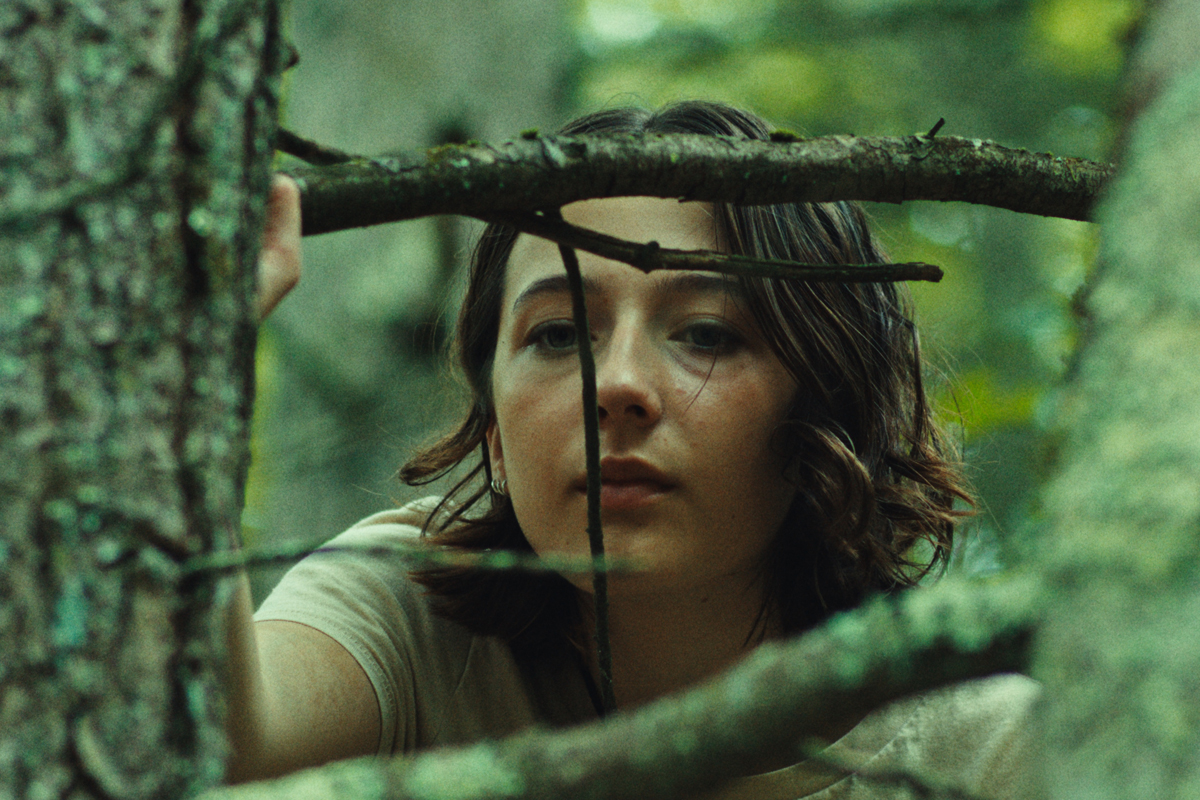
The Basque production Pheasant Island (2025), directed by Asier Urbieta, will have the honour on 4 April at the Victoria Eugenia theatre of opening the 22nd San Sebastian Human Rights Film Festival, organised by the Human Rights Area of the City Council and Donostia Kultura.
The US film Good One (2023), directed by India Donaldson, will bring the festival to a close on 11 April, likewise at the Victoria Eugenia, at a gala awards ceremony for the best feature-length and short films.
Filmmaker Helena Taberna from Navarre will also be at the festival's closing ceremony, to receive the special lifetime achievement award.
The screenings will be held mainly at the Teatro Victoria Eugenia, with some sessions at the Teatro Principal, such as the two films included in the 2nd Film and Victimology Series. Tabakalera will put on three screenings, comprising the Film and Memory series. This year's programme features a total of 48 films (25 features and 23 shorts) from 25 different countries.
The film programme will be supplemented almost every day with discussions courtesy of the stars, filmmakers and expert figures in the topics covered.
A total of 9 matinees will be held at the Principal Theatre for city schools. The films chosen by age group are Argizagi. Zubiak adiskidetasunerantz (2024), Basatiak (2024) and Mariposas negras (2024). The accompanying educational guides have this year been produced, respectively, by Marramiau Sorkuntza Taldea, Rita & Luca Films and Ikertze.
The Human Rights Film Festival also features the première of the show Interview – Urez eta hondarrez, by the Tentazioa company, based on the short film De agua y arena, directed by Telmo Irureta. The performance will be staged in the Basque language on Wednesday, 2 April, at the Victoria Eugenia.
3 exhibitions are included in the festival programme this year.
There will also be an online game about human rights, KONEKTA TÚ, organised by the Basque Development NGO Coordination Board, to test the participants' knowledge of the subject.
Two roundtables complete the list of the festival activities. First of all, Amnesty International, Doctors Without Borders and the Delàs Peace Studies Centre have organised a roundtable to be held on 31 March in the Club Room of the Victoria Eugenia, entitled Gaza bajo los escombros. Crónica de un horror. And Zehar – Errefuxiatuekin will at the same venue be presenting the event Interweaving narratives, reflecting on migration and migrants.
The festival is supported by the Gipuzkoa Provincial Authority, through the Directorate-General of Human Rights and Democratic Culture, and also the Basque Government, through the Directorate of Human Rights and Victim Support, along with contributions from NGOs and organisations including Zehar, UNICEF, Gehitu, Amnesty International, UNHCR, SOS Racism and FiSahara.
The aim of the festival is to use quality filmmaking to encourage reflection, awareness and debate as to different aspects of the protection and violation of human rights, while also helping to promote active citizenship with a commitment to justice and social fairness.
TICKETS
Tickets (€5) will be on sale from Friday, 28 March at 11:30 a.m. at the Principal and Victo-ria Eugenia theatre box offices, and via the Donostia Kultura website.
Invites to the free sessions will also be made available to the public on the 28th at the box offices of both theatres, as well as online.
Tickets for Interview – Urez eta hondarrez (€10) are already on sale. Invites can also be picked up for the two screenings in the Film and Victimology Series.


