Who we are
The San Sebastian Human Rights Film Festival was founded in 2003 as an initiative of the City Council. Organised by the city's Human Rights Area and Donostia Kultura, it aims to encourage reflection, awareness and debate among the participants, focused on human rights abuses worldwide.
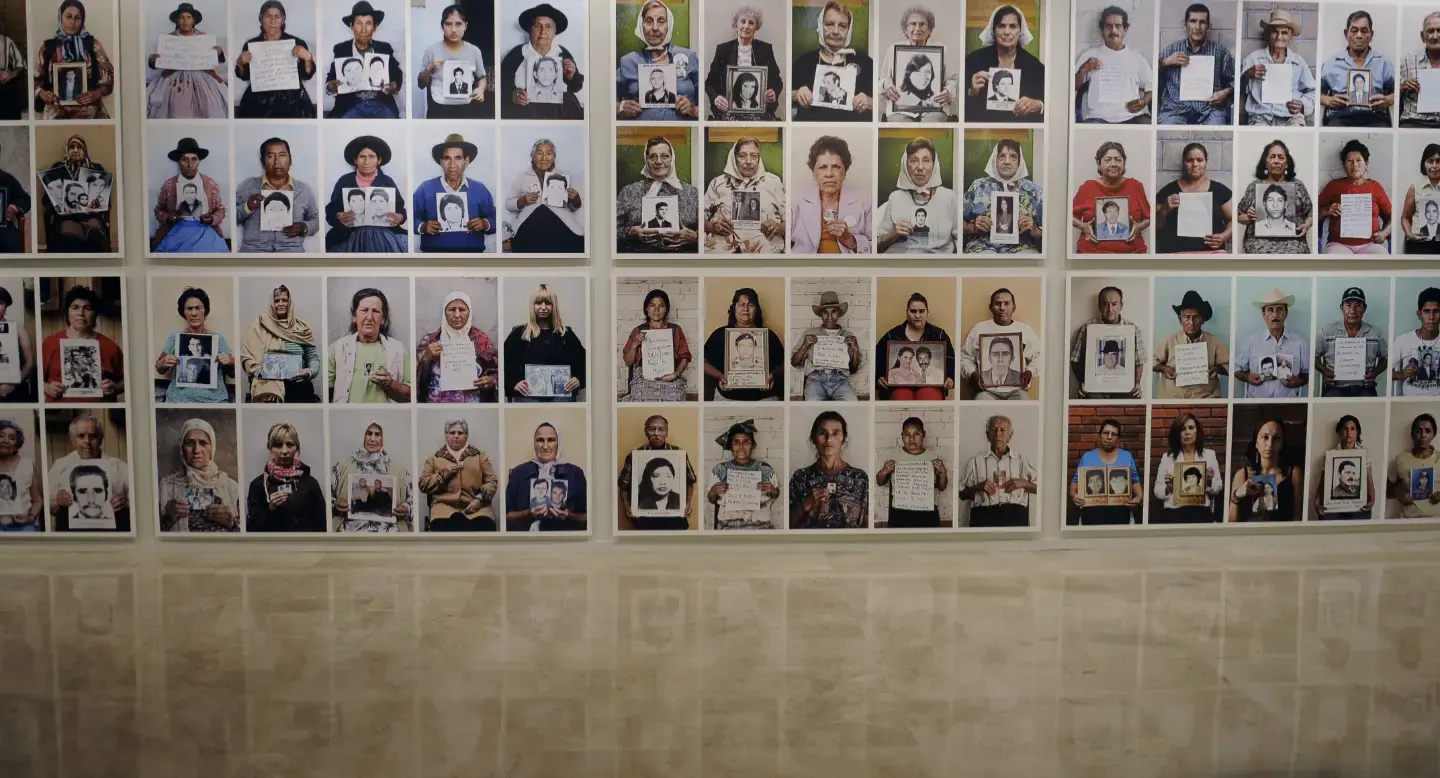
Perceiving film as a powerful and universal tool, and proclaiming the power of images to inform, move, and even to change the world. To denounce, shout out, strive for human rights that should never be taken for granted, and are threatened on a daily basis. Film and photography, illustration, theatre, and always a debate with filmmakers and specialists in the topics addressed.
Because in San Sebastian we believe that what we know as the seventh art can help us better understand the world, open a window onto citizens, so that we can all join forces in making this festival unnecessary.
Films
Each year, the Festival screens a selection of the best possible films, both feature length and shorts, fiction and documentary (if it still makes sense these days to draw such a distinction), animated film, screenings for school groups... Film is the primary element of this Festival, but not the only one: exhibitions, panel discussions, concerts, theatre and dance shows and all manner of activities help to enrich the programme.
Film submissions
The submissions period for the Festival opens each autumn to allow producers, distributors and filmmakers from all round the world to show their films to the selection committee.
Debates
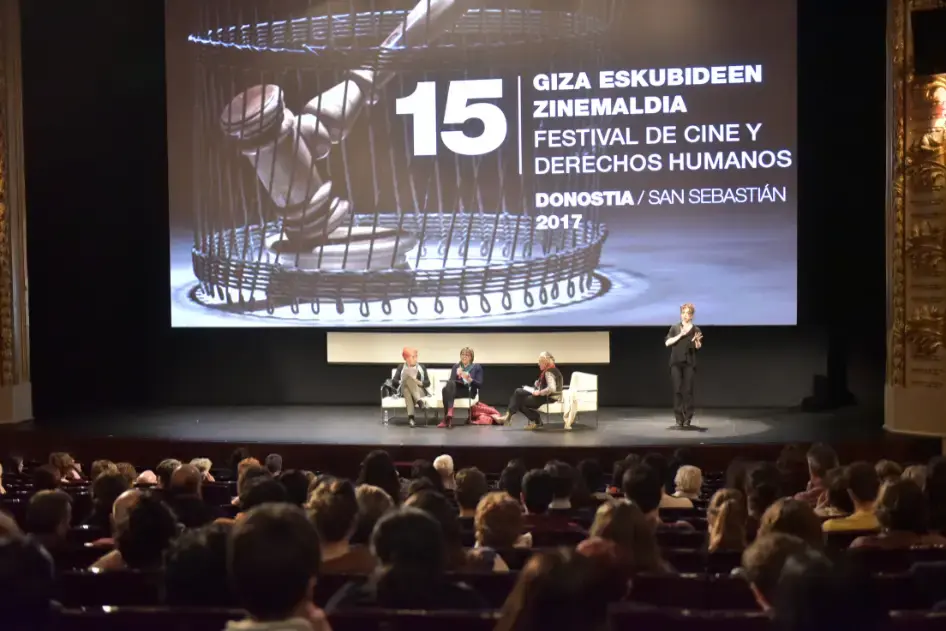
The Festival sees debate as an essential element of any such event. Reflection as to the issues raised in the film screenings therefore forms an important part of the programme. To this end, the filmmakers behind the scheduled films are invited, along with specialists in the topics raised, the central figures in the stories recounted, representatives from organisations… to help us better understand the questions addressed each year.
Screenings for educational institutions
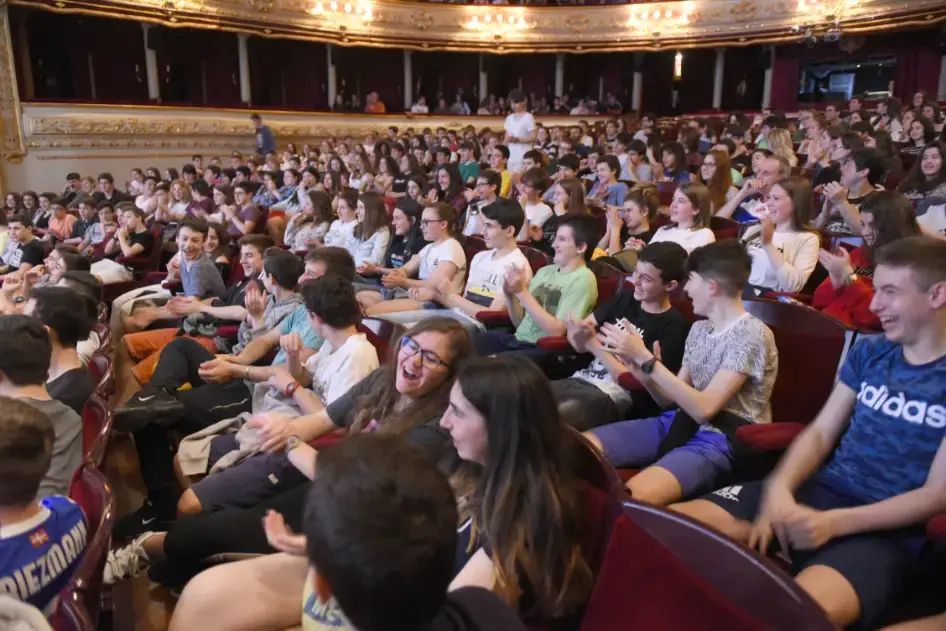
Each year a number of screenings are arranged for school groups, aged from 5 to 18, who by watching certain films and reading the accompanying guides that have been prepared, can then be prompted to debate contemporary issues in the classroom.