

Nazi criminals in Latin America: between impunity and neglect
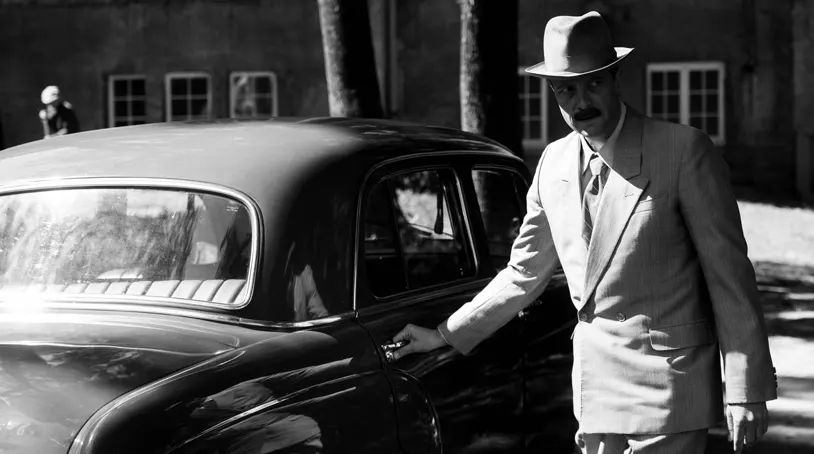
It is estimated that more than 9,000 Nazis fled to South America after the Second World War. Many of them rebuilt their lives undercover, evading justice in countries such as Brazil, Chile and Argentina. Josef Mengele, the doctor at Auschwitz concentration camp, was one of them. Known as the "Angel of Death", Mengele performed fatal experiments on prisoners and selected thousands of people for execution in the gas chamber. After the war he sought refuge in Argentina, Paraguay and Brazil. He died without ever having been brought before any court. He never showed signs of remorse.
Alongside South America, Spain also became a major refuge for Nazi criminals. Franco's regime provided a safe haven for thousands of members of the SS directly implicated in the crimes committed during the Holocaust. Some studies estimate that by 1947, around 40,000 Nazis were living in Spain. Many of them were high-ranking officials who were subject to extradition requests. The Franco establishment never considered these applications. Franco paid back to the Third Reich the assistance Adolf Hitler had given to the nationalist side during the Spanish Civil War.
One case which attracted considerable media attention was that of the Nazi Leon Degrelle, whose plane crashed in the bay of La Concha beach in San Sebastian as he was fleeing to Spain. He lived safely in Malaga until his death in 1994. He always denied the Holocaust.
Although there were fewer Nazis in the Basque Country, there are documented cases. The film A Swastika over the Bidasoa (2013) reconstructs the Nazi presence on the Basque border and the network of spies and safe houses they operated in the Basque Country during the 1940s.
Topic
- Bangladesh, at the epicentre of climate injustice
- Child soldiers in West Africa
- Denouncing male violence: a right turned into a punishment
- Feminisation of precarious conditions in the European textile industry
- Irreparable consequences of the British mandate in Palestine
- Legal proceedings against police actions: evidence versus narrative
- Living as trans in the rural world
- Migration and police border controls with firearms
- Nazi criminals in Latin America: between impunity and neglect
- Patriarchal interpretation of religions
- Sisterhood among refugee women: Tunisia holds a mirror to the world
- The social dimension of child health
- The strength of a neighbourhood against a deportation
- Women in permanent rebellion against the patriarchal system


