

Feminisation of precarious conditions in the European textile industry
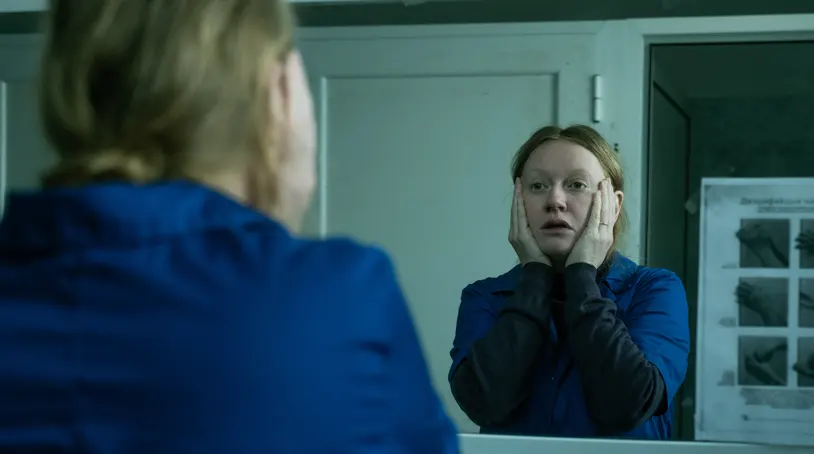
Up until the middle of the 20th century, the textile industry, one of the drivers of the global economy, was located in the wealthy countries of the global North. From the Second World War onwards, this industry began to relocate towards peripheral countries, as a consequence of cheaper transport and the development of new communication technologies. The aim was to benefit from lower manufacturing costs, particularly in Asia, Central America and, after the fall of the Berlin Wall, Eastern Europe, where various aspects of employment and environmental legislation were and remain much more permissive.
So much so that the clothing we buy, under the name of famous brands, some of them Spanish, is made many miles away, under employment conditions that are in breach of human rights. The long supply chains, the lack of regulation and mass subcontracting facilitate such breaches.
The Made in European Union label conceals, for example, hundreds of "processing workshops" located in Eastern and Southern Europe, employing skilled and experienced labour in exchange for derisory salaries. In the EU alone, the textiles sector employs nearly 1.3 million people, 80% of whom are women, who suffer countless aggressions: pitiful salaries, lack of sickness and maternity leave, impossible working hours, and physical and sexual violence.
According to Eustat, the average expenditure on clothing in the Basque Country is approximately €614 per year, with around 20 kg of clothing and some 15 kg of waste per person: levels of consumption and environmental impact which form part of these same global production chains.
Topic
- Bangladesh, at the epicentre of climate injustice
- Child soldiers in West Africa
- Denouncing male violence: a right turned into a punishment
- Feminisation of precarious conditions in the European textile industry
- Irreparable consequences of the British mandate in Palestine
- Legal proceedings against police actions: evidence versus narrative
- Living as trans in the rural world
- Migration and police border controls with firearms
- Nazi criminals in Latin America: between impunity and neglect
- Patriarchal interpretation of religions
- Sisterhood among refugee women: Tunisia holds a mirror to the world
- The social dimension of child health
- The strength of a neighbourhood against a deportation
- Women in permanent rebellion against the patriarchal system


