

Sisterhood among refugee women: Tunisia holds a mirror to the world
While some populist political discourse speaks of a "tidal wave" of refugees arriving in Europe, the reality is no such thing. Of the 123 million people forced to leave their home worldwide by war, persecution or violence, most do not arrive here: around 73% remain in their neighbouring countries or in low-income states, referred to by many NGOs as the Global South.
This is the case of many refugees fleeing Ivory Coast, Mali and other countries in West Africa and settling in Tunisia (more than 16,000 registered in 2024 according to the UNHCR). Tunisia has in fact become a vital piece in Europe's strategy to contain migration. The agreement signed in 2023 between the EU and the Tunisian Government prompted the latter to impose harsher border control, in exchange for substantial economic aid. This led to greater repression, racist attacks and human rights violations against the sub-Saharan population there, which continue to occur.
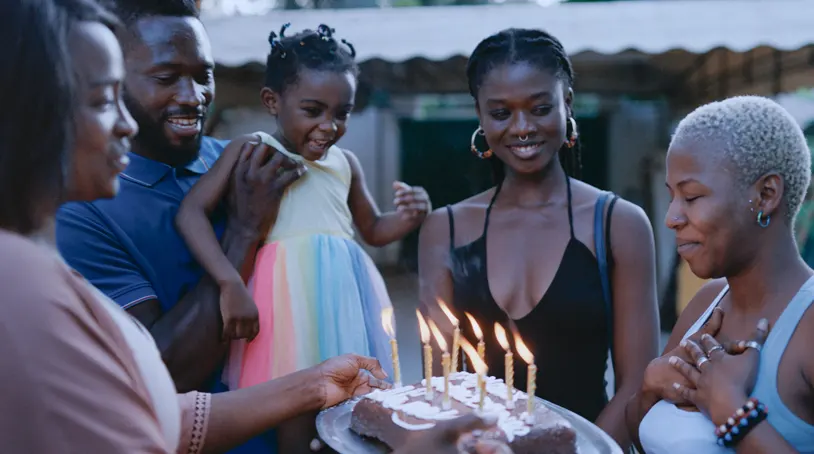
Within this context, migrant and refugee women in Tunisia, and in the other countries to which they are displaced, suffer even greater violence because they are women, exposed to precarious living conditions, exploitation at work or sexual assault. Their response to this springs from the grassroots: informal support networks, shared accommodation, and associations that they themselves organise.
Such sisterhood also serves as a refuge in the Basque Country. According to the Emakunde Guide to Women's Associations, there are now more than a hundred associations established by migrant women within the region, forums where mutual support becomes a form of resistance.
Topic
- Bangladesh, at the epicentre of climate injustice
- Child soldiers in West Africa
- Denouncing male violence: a right turned into a punishment
- Feminisation of precarious conditions in the European textile industry
- Irreparable consequences of the British mandate in Palestine
- Legal proceedings against police actions: evidence versus narrative
- Living as trans in the rural world
- Migration and police border controls with firearms
- Nazi criminals in Latin America: between impunity and neglect
- Patriarchal interpretation of religions
- Sisterhood among refugee women: Tunisia holds a mirror to the world
- The social dimension of child health
- The strength of a neighbourhood against a deportation
- Women in permanent rebellion against the patriarchal system


