

Irreparable consequences of the British mandate in Palestine
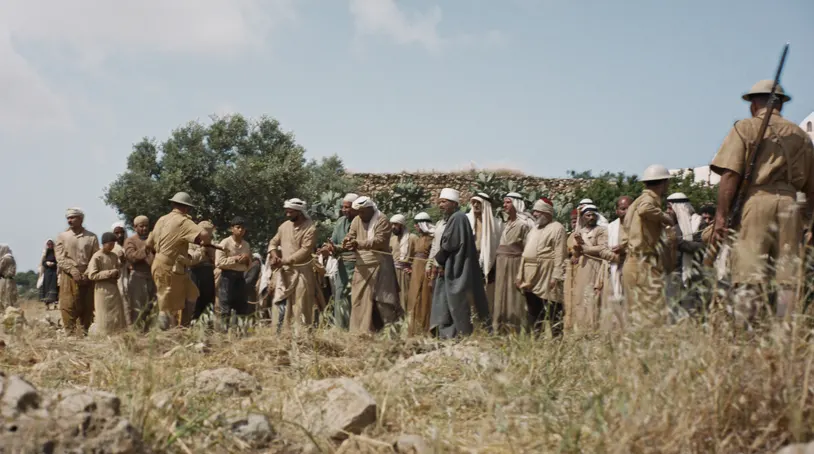
From the 16th century up until the end of the First World War, Palestine belonged to the Ottoman Empire. During the latter war, the Allied powers had sought the support of the Arabs to defeat the Turks, in exchange for promises of independence which, in the case of Palestine, never came about. In parallel, France and Great Britain had signed the secret Sykes-Picot agreement, planning to divide up the Ottoman territories in the Middle East between the victorious powers at the end of the war.
In 1922, then, the League of Nations, precursor to the UN, officially established the British Mandate over Palestine, under the terms of which Great Britain would administer the territory, incorporating the terms of the 1917 Balfour Declaration, which supported the creation in Palestine of a "national home for the Jewish people".
This gave rise to the mass immigration of Jewish people from Europe, who within a decade amounted to 20% of the population of Palestine.
In 1936, within this context of twofold colonisation, and with the Arab population increasingly stifled, Palestine leaders called a general strike. They demanded a ban on land purchases, the creation of a national Palestine government, and an end to Jewish immigration. And so began the Great Arab Revolt (1936-1939), which was brutally repressed and triggered a series of crises. Finally, in 1946, the British ceded oversight of the conflict to the recently created United Nations, which in 1947 approved the partition of Palestine between Arabs and Jews.
In 1948, the Jewish community unilaterally declared their independence, by founding the State of Israel.
Topic
- Bangladesh, at the epicentre of climate injustice
- Child soldiers in West Africa
- Denouncing male violence: a right turned into a punishment
- Feminisation of precarious conditions in the European textile industry
- Irreparable consequences of the British mandate in Palestine
- Legal proceedings against police actions: evidence versus narrative
- Living as trans in the rural world
- Migration and police border controls with firearms
- Nazi criminals in Latin America: between impunity and neglect
- Patriarchal interpretation of religions
- Sisterhood among refugee women: Tunisia holds a mirror to the world
- The social dimension of child health
- The strength of a neighbourhood against a deportation
- Women in permanent rebellion against the patriarchal system


