

Living as trans in the rural world
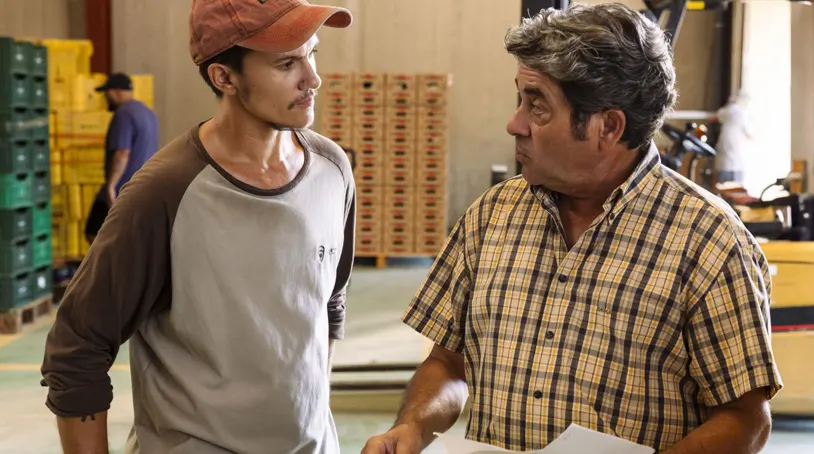
Traditionally, trans people in the rural world have been forced to flee their villages, to escape the invisibility and loneliness to which prevailingly heteronormative society condemns those who do not fit in. The different forms of discrimination affecting members of the LGTBIQ+ community have been exacerbated by those resulting from the specific nature of the rural world, a setting with a frequent tendency towards social control, prejudice, rumour or the complete lack of anonymity.
Nonetheless, an increasing number of LGTBIQ+ people are now deciding to remain, or even to return to the rural world, reclaiming spaces from which they had been excluded. There they set up networks to foster awareness and visibility, and to heighten the opportunity for those who are different to dwell in villages as well.
The fact is that, despite the social and also legislative advances supporting them, discrimination remains a scourge affecting many people in this group in every sphere of their life.
In the world of employment in particular, discrimination based on gender identity, and specifically that affecting trans people, is a normalised and structural dynamic, which is worsened in a rural context. Such discrimination occurs when looking for employment, and also in hostile working environments, where diverse identities come under attack. As many as 42% of trans people in Spain state they have suffered discrimination at work, according to the European Union Fundamental Rights Agency (FRA).
Since the approval of the Trans Act in 2023, more than 550 people have changed sex at the Civil Registry in the Basque Country (10,670 in Spain as a whole).
Topic
- Bangladesh, at the epicentre of climate injustice
- Child soldiers in West Africa
- Denouncing male violence: a right turned into a punishment
- Feminisation of precarious conditions in the European textile industry
- Irreparable consequences of the British mandate in Palestine
- Legal proceedings against police actions: evidence versus narrative
- Living as trans in the rural world
- Migration and police border controls with firearms
- Nazi criminals in Latin America: between impunity and neglect
- Patriarchal interpretation of religions
- Sisterhood among refugee women: Tunisia holds a mirror to the world
- The social dimension of child health
- The strength of a neighbourhood against a deportation
- Women in permanent rebellion against the patriarchal system


